The Biggest Expense in Retirement Is Not What Most People Expect
Many people expect their costs to fall once they stop working, but the biggest expense in retirement often turns out to be taxes. Required withdrawals from traditional retirement accounts can push your income higher than expected, while travel, healthcare, and daily spending also rise as your lifestyle shifts. These changes can stretch your savings if you enter retirement without a clear plan.

Below is a practical guide to the most common retirement expenses, why they increase, and how you can stay in control.
Travel Costs Often Increase
Once you retire, you finally have the time to go to the places you postponed for years. This freedom often raises your travel costs. You no longer pay for commuting but you gain the opportunity and desire to travel more often.
Ways to save on travel
You can lower travel costs if you look for flexible pricing.
Ask for the best available hotel rate before asking about senior discounts.
Compare senior airline fares with public promotions.
Consider short term rentals through VRBO or Airbnb.
Review your travel insurance needs before buying extra coverage.
Check your credit card benefits for baggage protection or trip coverage.
Flexibility is your largest advantage. When you travel during off peak periods, you often pay less than tourists who travel only during major holidays.
Healthcare Costs Rise Over Time
Medicare covers a large part of your medical needs, but it does not cover everything. You pay for premiums and out of pocket costs. You also pay for services that Medicare excludes. These include dental care, hearing aids, eyeglasses, and routine foot care.
Healthcare becomes a larger part of your budget during your later years. Medical spending grows faster than general inflation, and retirees must prepare for that difference.

Ways to save on healthcare
You can manage your healthcare spending with simple steps.
Bunch medical expenses into one year to exceed the 7.5 percent adjusted gross income rule for tax deductions.
Review your Medigap policy if you have one. Some policies provide emergency coverage outside the country.
Track dental, vision, and hearing needs in advance so you can prepare for future expenses.
Taxes Become the Largest Expense
This is the biggest surprise for many retirees. Your taxes may rise instead of fall, especially when you hold most of your savings in pre tax accounts. Traditional IRAs, 401k plans, and other tax deferred accounts require taxable withdrawals. These withdrawals raise your adjusted gross income, which can push you into a higher tax bracket.
Required minimum distributions start at age 73 for most retirees today. These withdrawals can also make more of your Social Security income taxable and can trigger higher Medicare premiums through the income related monthly adjustment amount rules.
Ways to save on taxes
You can lower your lifetime tax bill with early planning.
Start planning for required minimum distributions years before they begin.
Consider taking voluntary withdrawals earlier so you spread your tax burden across more years.
Use Roth accounts for tax free withdrawals later in life.
Review charitable giving strategies that reduce taxable income.
Check if your age qualifies you for property tax relief in your state.
If you hold large retirement accounts, tax planning often saves more money than cutting travel or shopping costs. Taxes rise quietly and create the largest long-term expense for many households.
Shopping and Home Projects Increase Unexpectedly
Retirement gives you more time to look around your home. You notice furniture that needs replacement, carpets that look worn, or rooms that need improvement. Home upgrades bring comfort and convenience, but they also bring higher costs.
You may also spend more during your free time. Some retirees shop more because they have more hours available. Others invest in hobbies, home offices, or large projects that do not fit their work schedule.
Ways to save on shopping
A simple approach reduces this expense.
Take extra time to compare prices before large purchases.
Set a monthly spending target and review it every quarter.
Prioritize upgrades based on comfort and safety rather than impulse.
What People Often Forget When Planning for Retirement
Many people forget the three costs that grow fastest: taxes, medical care, and long-term care. These costs shape your retirement more than dining out, travel, or home upgrades.
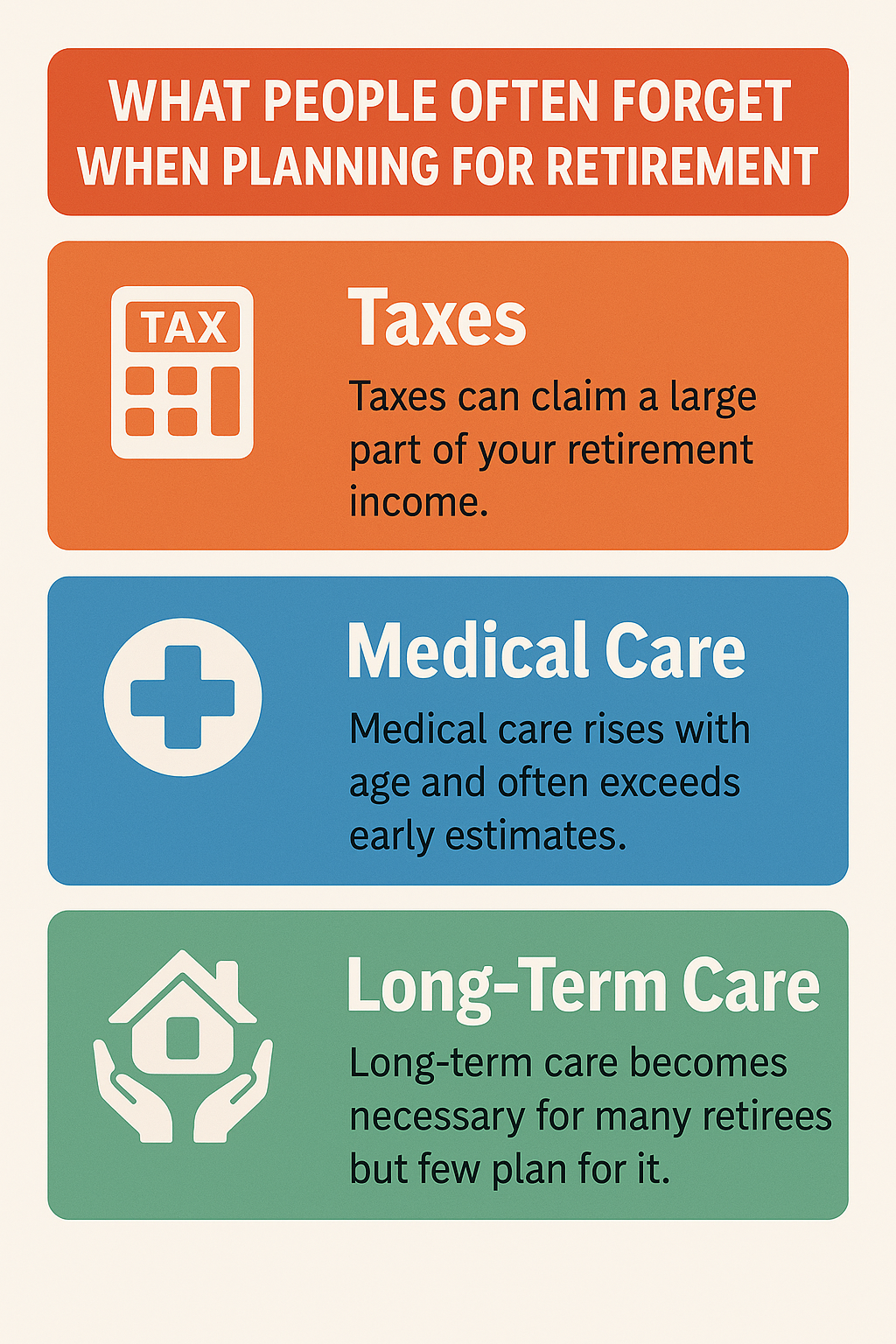
Taxes can claim a large part of your retirement income.
Medical care rises with age and often exceeds early estimates.
Long-term care becomes necessary for many retirees but few plan for it.
If these costs are not part of your plan, your savings may not lastas long as expected.
How to Strengthen Your Retirement Plan
You can stay ahead of rising expenses with focused planning.
Review your future tax bracket and plan withdrawals with intention.
Estimate healthcare spending and consider insurance gaps early.
Learn about long term care options and add them to your retirement plan.
Track your average monthly spending during the first two years of retirement so you can adjust your plan before major expenses build up.
When you understand where your money goes, you gain more control over your retirement lifestyle.
How One Advisory Partners Helps You
Working through financial decisions as a business owner or someone approaching retirement can feel overwhelming when taxes, income needs, investment choices, and legacy planning all demand attention at once. A disconnected approach can create missed opportunities, unnecessary tax exposure, and decisions that do not work well together.
A Virtual Family Office brings these moving parts into one coordinated strategy. From retirement income planning and tax aware decision making to investment oversight, business transition planning, and long term wealth management, the goal is to help you make smarter financial decisions with a clearer view of the full picture.
If you want practical guidance built around your complete financial life, schedule a conversation with the Virtual Family Office team at ONE Advisory Partners, serving clients nationwide.
The Bottom Line
Retirement costs do not fall in a straight line. Taxes rise when you withdraw from traditional accounts. Healthcare grows with age. Travel and daily spending also increase when you have more time and flexibility. These shifts make planning more important than predicting.
You stay in control when you track your spending, plan your withdrawals, and prepare for medical and long term care needs. A clear plan gives you more confidence and more room to enjoy your retirement years with intention instead of guessing.
Frequently Asked Questions About Retirement Expenses
What is the biggest expense in retirement
For many retirees, taxes become the biggest expense. Required withdrawals from traditional retirement accounts raise taxable income and increase tax liability.
Do retirement expenses go down after leaving work
Some expenses fall, such as commuting and work clothing. Other expenses rise, including healthcare, travel, and taxes. Many retirees spend more than expected.
How much money do most retirees need each month
Studies show the average retired household spends around five thousand dollars per month. Your own spending will depend on housing, medical needs, lifestyle, and travel.
Why are taxes so high in retirement
Traditional retirement accounts defer taxes until withdrawal. When you take required distributions, your taxable income rises. This can push you into a higher bracket and increase taxes on Social Security.
How can retirees reduce healthcare costs
Track uncovered medical needs early, compare Medicare supplement options, and bunch medical expenses in one year if you want to claim a tax deduction.
Should I plan for long-term care
Yes. Most adults over age 65 will need some form of long term care. This care is expensive and Medicare rarely pays for it.
Reference
Investopedia Staff. (2025). Unexpected Budget Gaps Challenge Retirees: How Do Your Monthly Expenses Compare? Investopedia. Retrieved from https://www.investopedia.com/unexpected-budget-gaps-challenge-retirees-how-do-your-monthly-expenses-compare-11825484
Bieber, C. (2025). Biggest Retirement Expenses Most People Forget About. Nasdaq. Retrieved fromhttps://www.nasdaq.com/articles/biggest-retirement-expenses-most-people-forget-about
Daugherty, G. (2014). 4 Big Reasons Your Expenses Could Rise in Retirement. Investopedia. Retrieved fromhttps://www.investopedia.com/articles/personal-finance/060514/4-big-reasons-your-expenses-could-rise-retirement.asp
ONE Advisory Partners. (n.d.). How Much Does Medicare Really Cover? The Truth About Retirement Healthcare Costs. ONE Advisory Partners. Retrieved fromhttps://www.oneadvisorypartners.com/blog/how-much-does-medicare-really-cover-the-truth-about-retirement-healthcare-costs
Medicare.gov. (n.d.). What Does Medicare Cost? Centers for Medicare and Medicaid Services. Retrieved fromhttps://www.medicare.gov/basics/get-started-with-medicare/medicare-basics/what-does-medicare-cost